


How long does a baby sleep in a crib? Learn when it's time to make the transition
One of the most common questions parents ask is how long their baby should sleep in a crib. After all, children grow quickly, and as they become more independent, their nursery needs begin to change. But is there a right age to move from a crib to a bed? The truth is that there isn't a single answer. The ideal time depends on your child's development, the size of the crib, and your family's routine. Paying attention to your child's growth and behavior is the best way to know when it's time to transition to a toddler bed.
Is there a right age to stop using a crib?
Not exactly. Every child develops at their own pace, so there isn't one age that works for everyone. In general, many children make the transition between 2 and 3 years old, but this timeline can vary. The most important thing is to observe your child's behavior and determine whether the crib still meets their needs.
Growth makes a difference
As your baby grows, the crib naturally begins to feel smaller. Your child starts moving around more while sleeping, sitting up, standing, jumping, and exploring their surroundings. All of these milestones are part of normal development and can influence when it's time to think about the next stage. Keeping up with your child's growth helps make the transition feel more natural.
Signs your child may be outgrowing the crib
Some behaviors can indicate it's time to start considering a change. Watch for these signs:
- They try to climb out of the crib on their own;
- They seem too tall for the available space;
- They have limited room to move while sleeping;
- They ask for a bed like an older sibling's or another family member's;
- They show greater independence in their daily routine.

Does crib size matter?
Yes. The size of the crib has a direct impact on your child's comfort as they grow. If the sleeping space starts to feel cramped or limits movement, it may be a sign that the crib no longer meets their needs. Choosing the right crib size and following your child's development helps provide a more comfortable daily routine.
The transition can happen gradually
Moving from a crib to a bed doesn't have to happen overnight. Some families prefer introducing the new bed gradually, allowing their child to become familiar with it before making the full transition. Taking things one step at a time often makes the experience smoother and more positive.
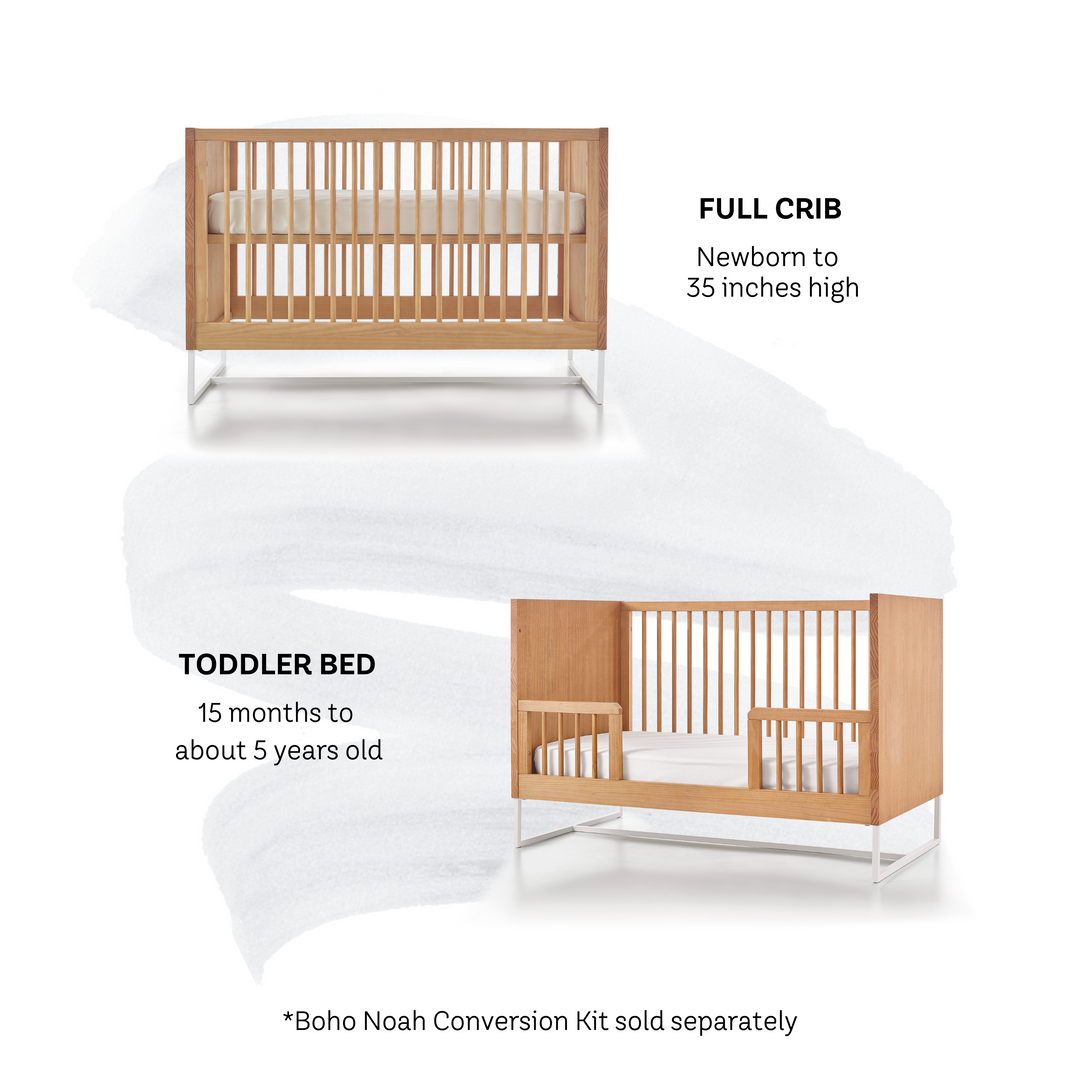
Convertible cribs make this stage easier
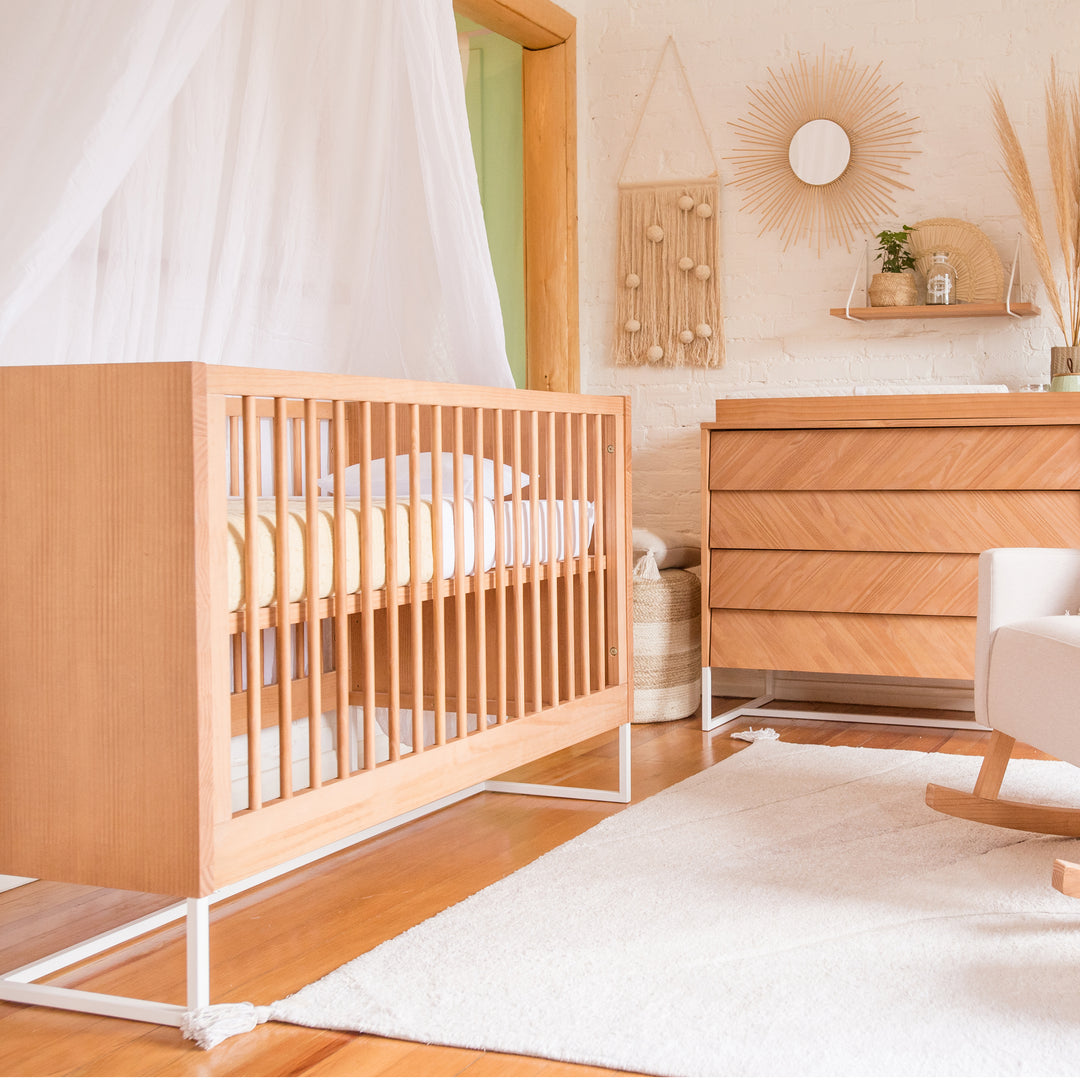
A practical way to support your child's growth is by choosing furniture that adapts to different stages of childhood. Simply Nursery's convertible cribs are designed with exactly that in mind, allowing you to transform the crib as your child's needs change. This lets you enjoy the same piece of furniture for longer while creating a smooth transition and keeping the nursery functional through every stage.
Is it worth making the transition early?
Not always. If your child is still comfortable in the crib and it continues to meet their needs, there's no reason to rush the transition. The best approach is to watch for developmental signs and make the change naturally, respecting your child's individual pace and your family's routine.
How to prepare your child for this new stage
Once you've decided it's time to make the transition, it's important to prepare your child gradually. Talk about the change, introduce the new sleeping space, and involve them in small decisions, such as choosing new bedding or a favorite stuffed animal to keep them company at bedtime. These simple steps can make the experience much more positive. The more natural and relaxed the process feels, the more comfortable your child is likely to be in their new sleeping environment.
The nursery evolves too
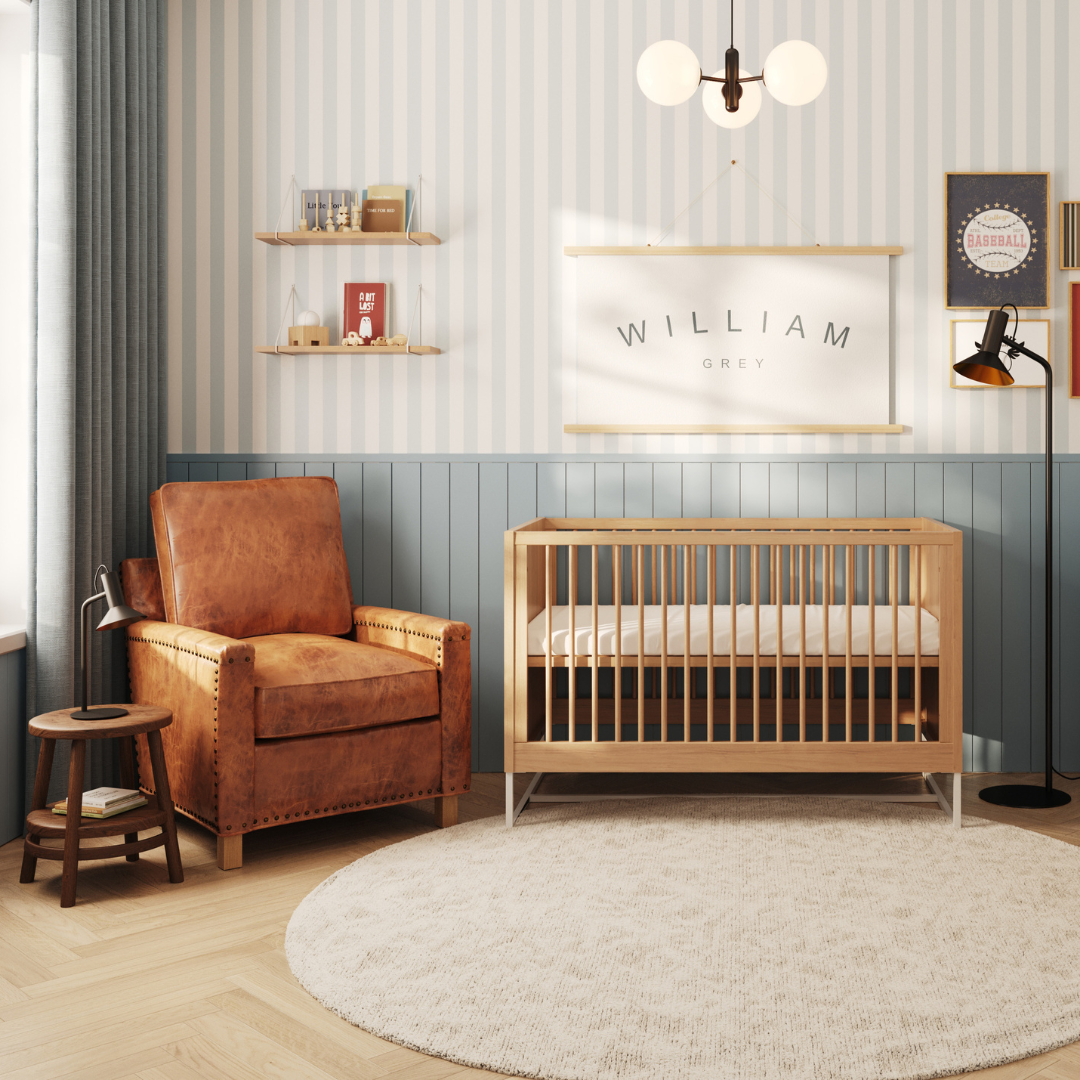
Transitioning out of the crib often marks a new stage of childhood, and the nursery can evolve as well. There's no need to completely redesign the room. Sometimes simply rearranging the furniture, creating a play area, or making books and toys easier to reach is enough to better support your child's new routine.

Helpful tips during the transition
A few simple habits can make this change easier for everyone. It's helpful to:
- Keep a consistent bedtime routine;
- Avoid rushing the transition;
- Keep the room organized;
- Create a cozy environment;
- Talk positively about the new bed;
- Respect your child's adjustment period.
What changes after the crib is replaced?
Once the transition is complete, your child gains more independence by getting in and out of bed on their own. The nursery also begins to reflect this new stage of development. This change often encourages new habits while making the room even more functional for your family's daily routine.
Every child has their own pace
It's easy to compare children, but every child develops differently. Some are ready for a bed earlier, while others remain perfectly comfortable in a crib for longer. The most important thing is to respect your child's pace and make the transition when it feels right. Watching for developmental signs, maintaining a calm routine, and creating a welcoming environment usually make the process much easier.
How can you maintain a healthy bedtime routine?
Whether your child sleeps in a crib or a bed, a consistent bedtime routine makes a big difference. Helpful habits include:
- Setting a regular bedtime;
- Reducing stimulation before sleep;
- Keeping the room comfortable;
- Reading a bedtime story;
- Creating a calm and relaxing atmosphere.
A new stage filled with exciting milestones
Moving from a crib to a bed is another important milestone in your child's development. With thoughtful planning, patience, and respect for your child's pace, this transition can become a positive experience for the entire family. Rather than focusing on a specific age, pay attention to your child's growth and create a space that supports every new achievement. That way, the nursery continues to be a cozy, functional place filled with wonderful memories throughout childhood.
Follow our blog for more inspiration!
Looking for more ideas to create a beautiful, functional nursery that grows with your child? Keep following our blog for practical tips, inspiration, and helpful articles that make planning every detail of your baby's room easier. We're always sharing ideas to help make your parenting journey even more enjoyable. You may also like: “The Importance of Quality Bedding for Your Baby's Crib”.
Frequently Asked Questions (FAQ)
Can a child use a crib until age 3?
Yes. Many children continue using a crib until around age 3, as long as it still fits their size and meets their needs comfortably.
How can I make the crib-to-bed transition easier?
Introduce the new bed gradually, maintain your child's bedtime routine, and involve them in the process. A gentle transition usually helps children adjust more comfortably.
Should I switch to a bed as soon as my child starts walking?
No. Walking doesn't automatically mean it's time to leave the crib. The best approach is to consider your child's overall development and whether the crib still provides enough comfort and space.


Mid-Century Convertible Crib in Hazelnut


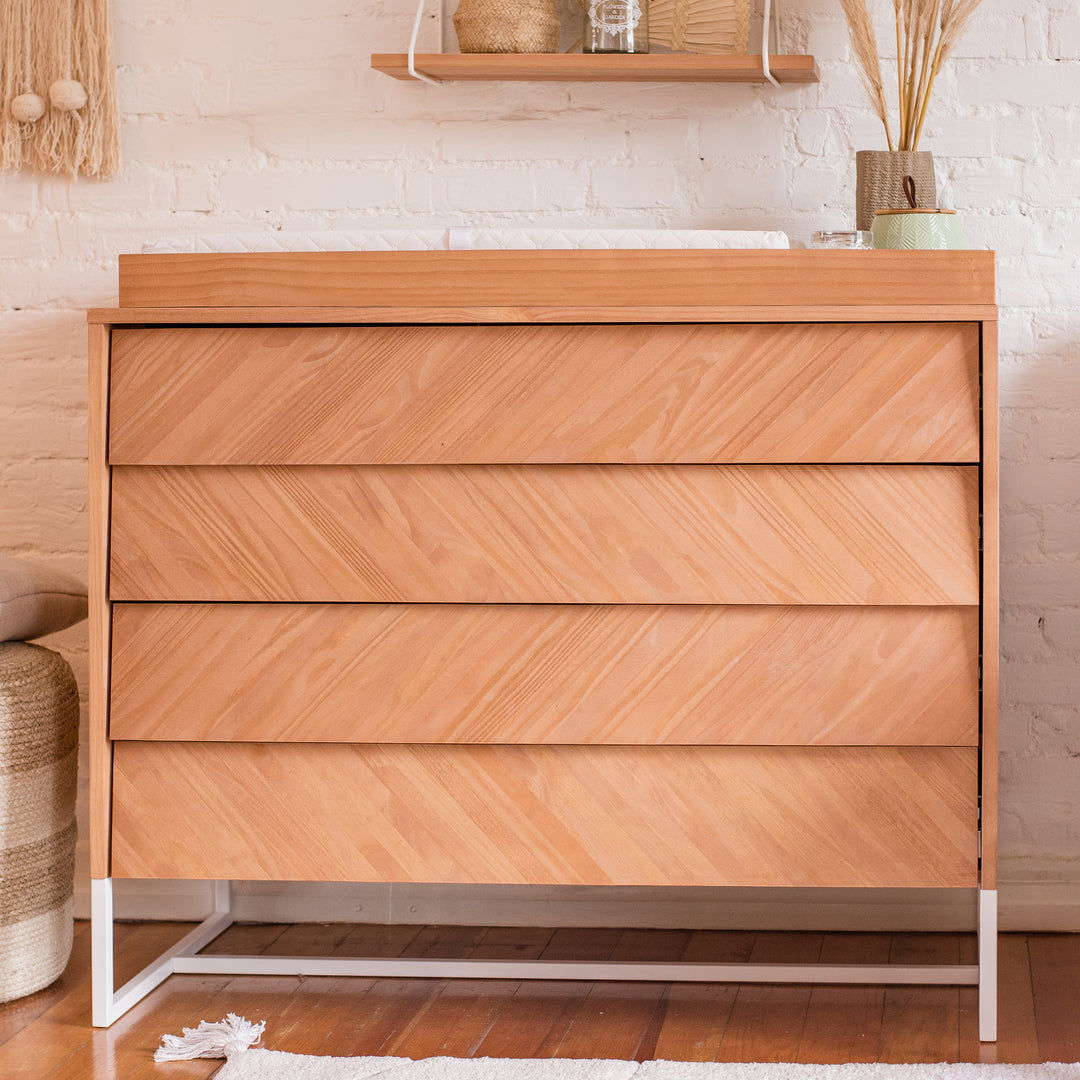
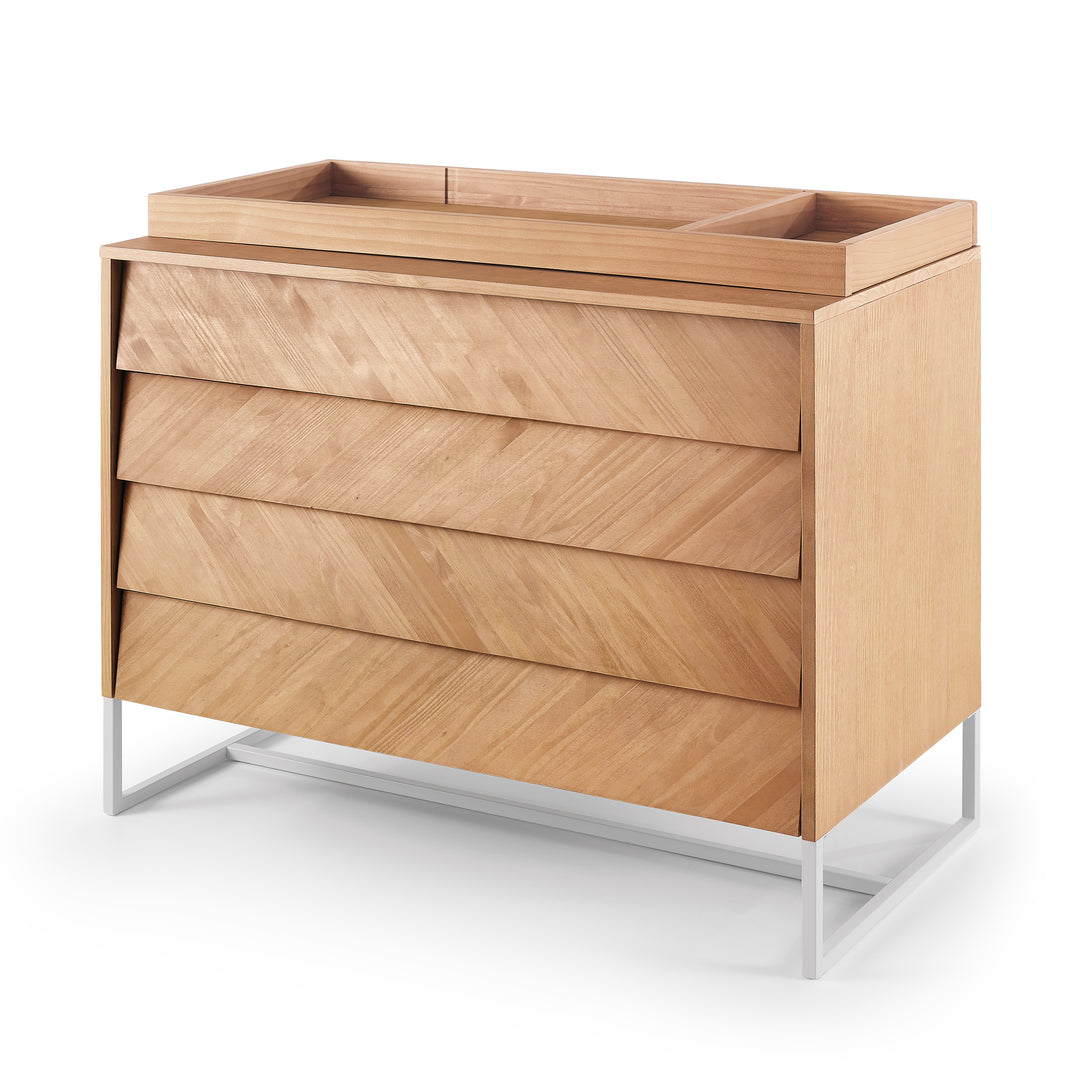
Mid-Century 6 Drawer Dresser in Hazelnut






Boho Noah Convertible Crib in Hazelnut







Leave a comment